
The Appalachian Mountains stretch across 14 U.S. states, from Georgia to Maine, offering one of North America's most accessible mountain travel corridors. Whether you're planning a hiking base in the Smokies, a weekend escape near Virginia's Shenandoah Valley, or a stopover along the Blue Ridge Parkway, the quality of your accommodation's facilities - parking, pools, breakfast, fitness access - can make or break a mountain trip. This guide compares 9 hotels with strong user-rated facilities across key Appalachian destinations, helping you match the right property to your travel priorities.
What It's Like Staying in the Appalachian Mountains
The Appalachian Mountains aren't a single destination - they're a 3,000 km-long system of ridges, valleys, and trail towns, each with its own rhythm. Towns like Sevierville and Harriman in Tennessee, Dahlonega in Georgia, and Lexington in Virginia serve as practical bases, with most attractions - trailheads, national parks, historic theaters - within 15 to 50 km of main lodging clusters. Car travel is essential here; public transport is virtually nonexistent between mountain towns, so free parking is a genuine facility priority. Crowds peak hard during fall foliage season (October) and again in summer, when the Smoky Mountains alone draw around 12 million visitors per year - one of the most visited national park regions in the U.S.
The region rewards travelers who prioritize outdoor access and self-sufficiency over urban conveniences. Families and outdoor enthusiasts benefit most from staying in the mountains directly; travelers seeking walkable dining and nightlife scenes may find smaller Appalachian towns limiting.
Pros:
- Immediate access to trails, state parks, and scenic drives without long daily commutes
- Free parking is standard at most mountain-area properties, eliminating a major urban travel cost
- Lower hotel density outside peak season means quieter stays and more negotiable rates
Cons:
- No meaningful public transport between towns - a rental car or personal vehicle is non-negotiable
- Dining options thin out quickly after 9 PM in smaller towns like Groton, Garrett, and Dublin
- Peak foliage weekends in October can push occupancy to near 100%, requiring early bookings weeks in advance
Why Choose Hotels with Top-Rated Facilities in the Appalachian Mountains
In mountain travel, facilities aren't a luxury add-on - they're a functional necessity. After a full day of hiking the Appalachian Trail or driving the Blue Ridge Parkway, on-site pools, hot tubs, and full kitchens reduce the need to leave the property at all. Hotels with strong facility ratings in this region tend to offer amenities that urban travelers take for granted: reliable WiFi for remote work, indoor pools for post-hike recovery, and breakfast options that save both time and money. Indoor pools are especially valuable in shoulder seasons (March-April and November), when outdoor temperatures in the mountains can drop unexpectedly. Compared to budget motels along the same corridors, well-facilitated properties typically run around 30% more per night, but the trade-off in usability and comfort is significant for multi-night mountain stays.
Properties with full kitchens or BBQ access - common in cabin-style accommodations near the Smokies - allow travelers to self-cater, which matters when the nearest restaurant is a 20-minute drive. Free parking at all properties in this guide removes a friction point that plagues urban hotel stays.
Pros:
- On-site hot tubs and pools provide genuine recovery value after physically demanding days on the trail
- Full kitchens and BBQ facilities cut food costs significantly on stays of 3 or more nights
- Inclusive breakfast at select properties eliminates the need to find open dining before early-morning hikes
Cons:
- Higher facility ratings often correlate with slightly higher nightly rates compared to basic roadside motels
- Some amenities (fitness centers, business centers) are underutilized in a mountain leisure context
- Cabin-style properties with premium facilities may require minimum stay commitments during peak season
Practical Booking & Area Strategy for the Appalachian Mountains
The Appalachian region divides naturally into four practical base zones for travelers: the Tennessee Smokies corridor (Sevierville, Harriman), the Virginia Blue Ridge cluster (Lexington, Saint Paul, Dublin), the New York State foothills (Groton), and the Maryland/West Virginia gateway towns (La Vale/Cumberland, Garrett). Each zone anchors different activity profiles - Sevierville sits within 15 km of Dollywood and Smoky Mountain Opry; Lexington places you 1.8 km from Virginia Military Institute and within reach of Natural Bridge; Dahlonega in Georgia is the southern gateway to the Appalachian Trail's starting point at Springer Mountain.
For fall foliage travel, book at least 6 weeks ahead for any property in the Tennessee or Virginia zones - demand spikes sharply and rates follow. In contrast, the Maryland and New York properties (La Vale, Groton) see softer seasonal pressure and offer more last-minute availability. McGhee Tyson Airport (Knoxville) is the most convenient air entry for the southern Appalachians, around 44 km from Sevierville; Roanoke Airport serves the Virginia cluster at around 77 km from Lexington. Travelers combining multiple zones should plan for full driving days between them - the mountain terrain makes distances longer than maps suggest.
Best Value Stays
These properties deliver strong facility packages - pools, breakfast, parking, and connectivity - at accessible price points across the Appalachian corridor, making them practical anchors for budget-conscious travelers who don't want to sacrifice usability.
-
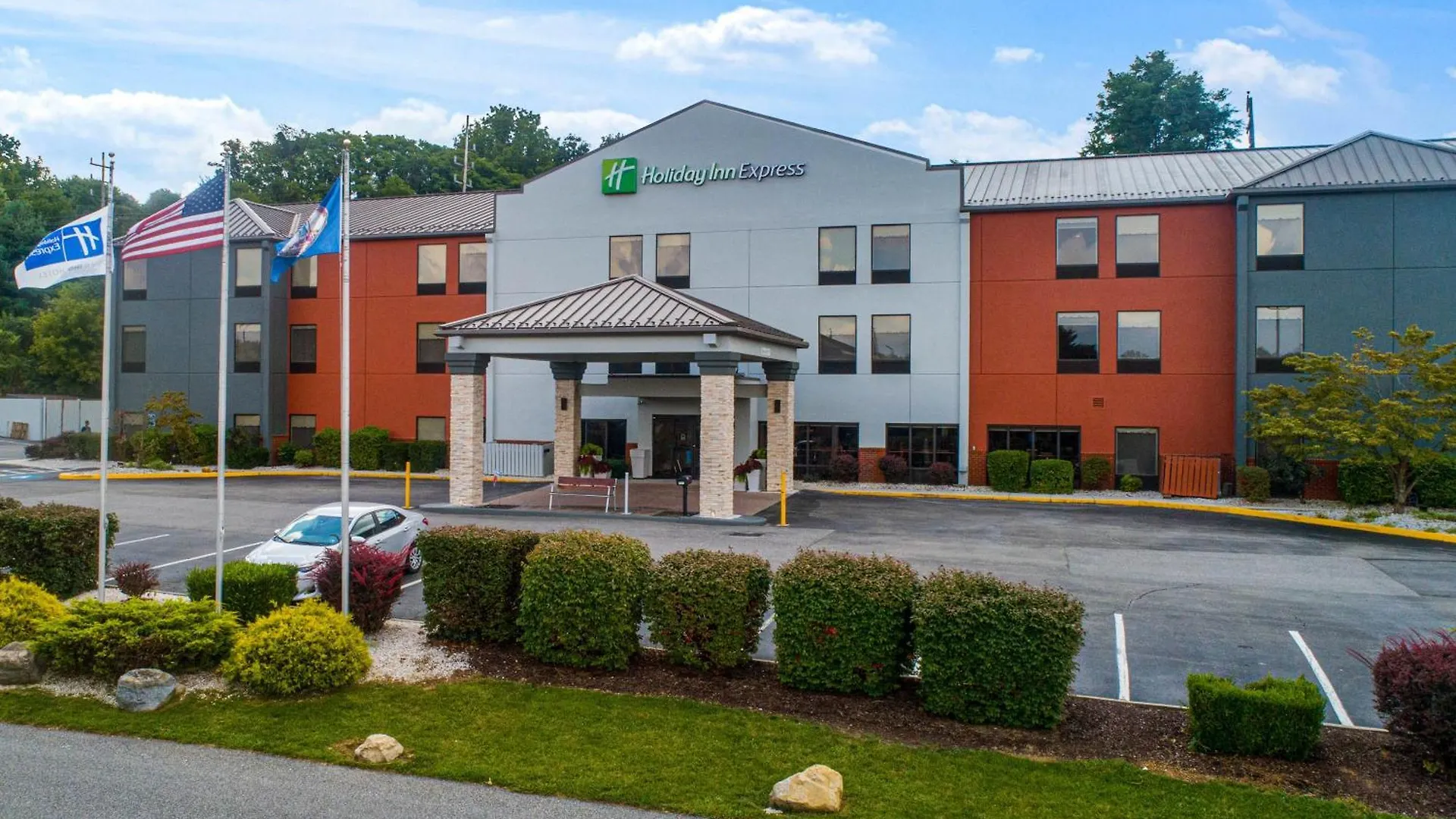
1. Holiday Inn Express Dublin By Ihg
Show on map


 Check-infrom 15:00 until 23:59Check-outuntil 11:00
Just a few rooms left at the best rate!
fromUS$ 114
-
2. Holiday Inn Express Hotel & Suites Harriman By Ihg
Show on map


 Check-infrom 15:00 until 23:59Check-outuntil 11:00
Just a few rooms left at the best rate!
fromUS$ 104
-
3. Holiday Inn Express & Suites Cumberland - La Vale By Ihg
Show on map


 Check-infrom 15:00 until 23:59Check-outuntil 11:00
Just a few rooms left at the best rate!
fromUS$ 134
-
4. The Garrett Inn
Show on map


 Check-infrom 15:00 until 22:00Check-outuntil 11:00
Hurry – almost gone at this price!
fromUS$ 126
-
5. Western Front Hotel
Show on map


 Check-infrom 16:00 until 23:59Check-outuntil 11:00
Hurry – almost gone at this price!
fromUS$ 129
Best Premium Stays
These properties go beyond standard hotel amenities - offering character-driven accommodations with mountain views, full kitchens, spa features, or historic settings that justify their higher positioning for travelers prioritizing experience alongside utility.
-
6. Southern Grace
Show on map


 Check-infrom 16:00 until 23:59Check-outfrom 08:00 until 10:00
Hurry – almost gone at this price!
fromUS$ 248
-
7. Benn Conger Inn
Show on map


 Check-infrom 15:00 until 19:00Check-outfrom 05:00 until 11:00
Rooms filling fast – secure the best rate!
fromUS$ 198
-
8. Stonegate
Show on map


 Check-infrom 15:00 until 21:00Check-outfrom 07:00 until 11:00
Rooms filling fast – secure the best rate!
fromUS$ 312
-
9. Long Mountain Lodge
Show on map


 Check-infrom 15:00 until 23:59Check-outuntil 11:00
Rooms filling fast – secure the best rate!
fromUS$ 169
Smart Travel & Timing Advice for the Appalachian Mountains
The Appalachian Mountains have two clear demand peaks: summer (late June through August), driven by family travel and Smoky Mountains visitation, and fall foliage season (mid-September through late October), which is the single most competitive booking period across all Appalachian destinations. October weekends book out fastest - especially in the Tennessee and Virginia zones - and rates can climb sharply compared to the same rooms in January. The quietest and most cost-effective window runs from mid-January through early March, when ski-adjacent properties in Maryland (Garrett, La Vale) maintain demand but trail-focused Tennessee and Georgia properties drop significantly in occupancy.
For most Appalachian itineraries, 3 nights is the practical minimum to justify the drive from major cities like Atlanta, Washington D.C., or Charlotte. Single-night stays rarely allow enough time to meaningfully access both the town infrastructure and the surrounding trail or park systems. Book at least 8 weeks ahead for any fall foliage travel to the Smokies or Blue Ridge corridor. Last-minute availability is more realistic in the Maryland and New York State zones, where the tourist profile is less seasonal. Properties with breakfast included (Benn Conger Inn, Stonegate, Long Mountain Lodge, Holiday Inn Express locations) deliver the most time-efficient starts for active itineraries.


